About PTFE-MICA-Fiber Glass Insulated
| Insulation |
PTFE Insulation |
| Conductor |
Solid, Multistrand, Thermocouple Grade Materials as per ASTM E230 / 77 & IEC5843 |
| Inner Sheath |
PTFE Temperature Saturated |
| Outer Sheath |
Mica Tape / Fiber Glass with High Temp. Varnish |
| Operating Temp. |
350 DegreeC |
| Limit of Error |
According to ASTM E230 / 77, IEC 584 |
| Color Code |
According to ANSI MC 96.1 |
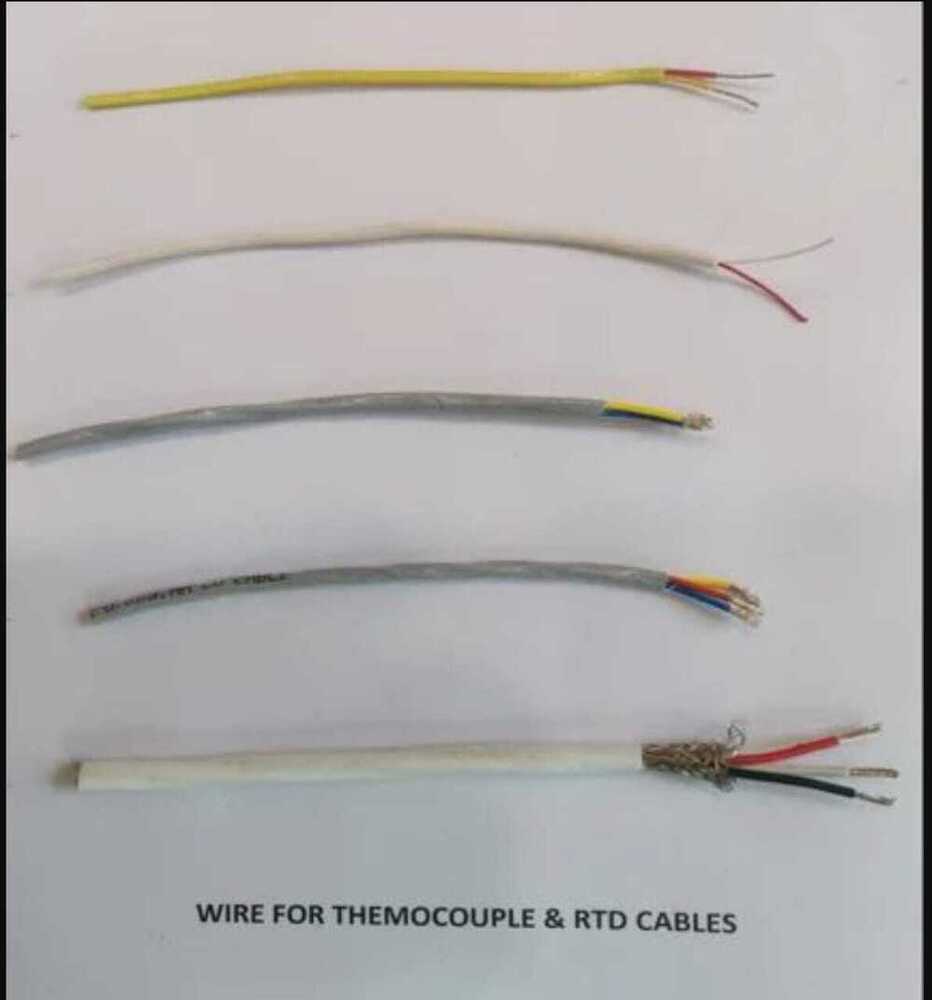
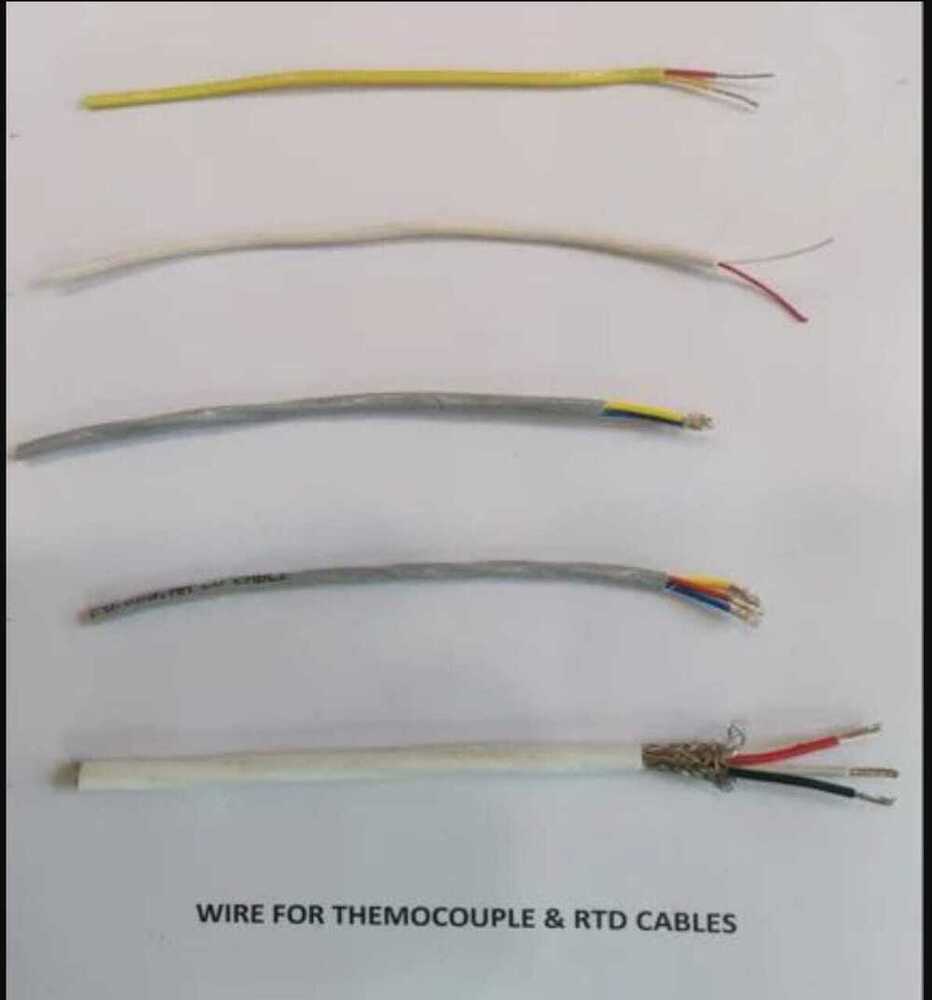
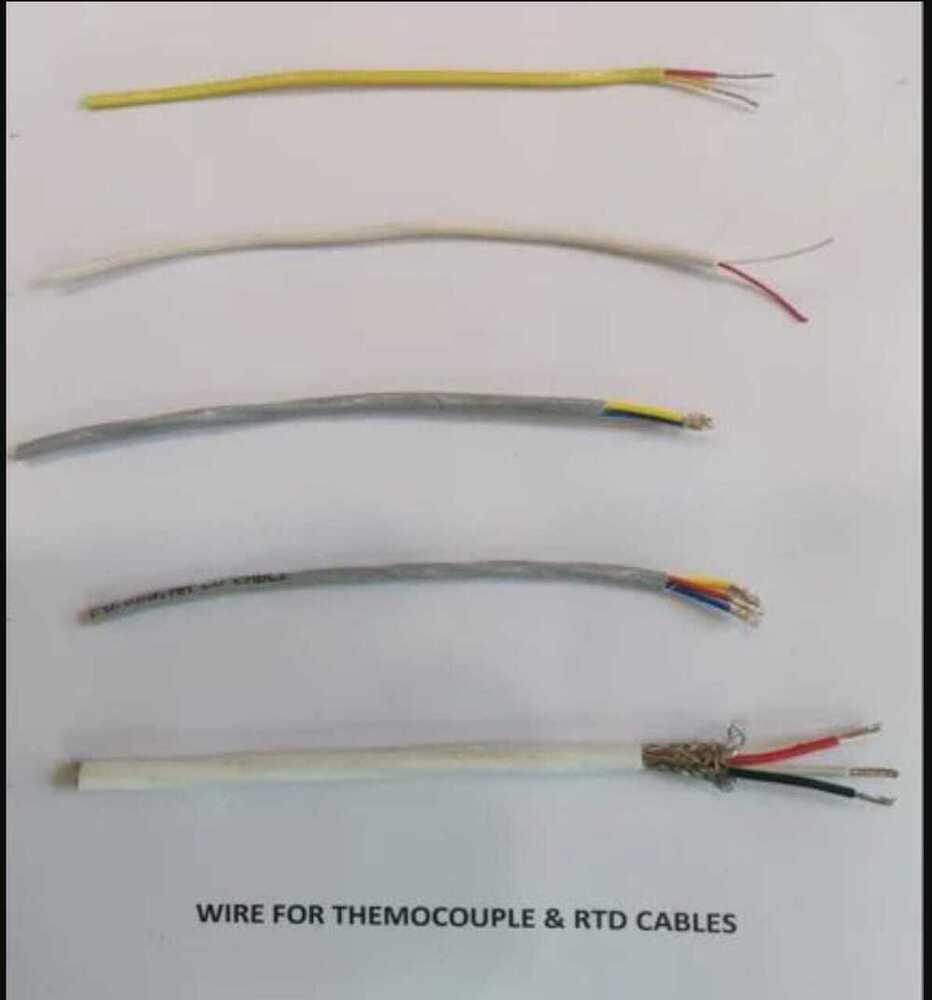
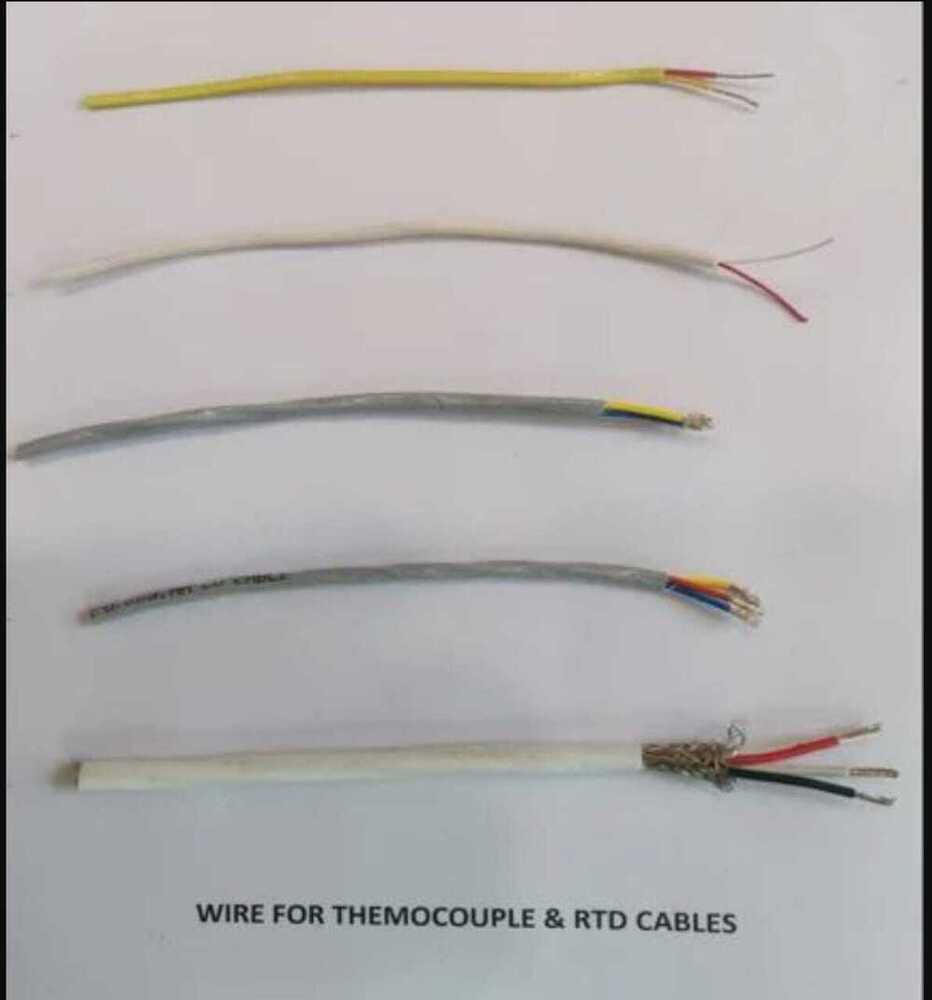
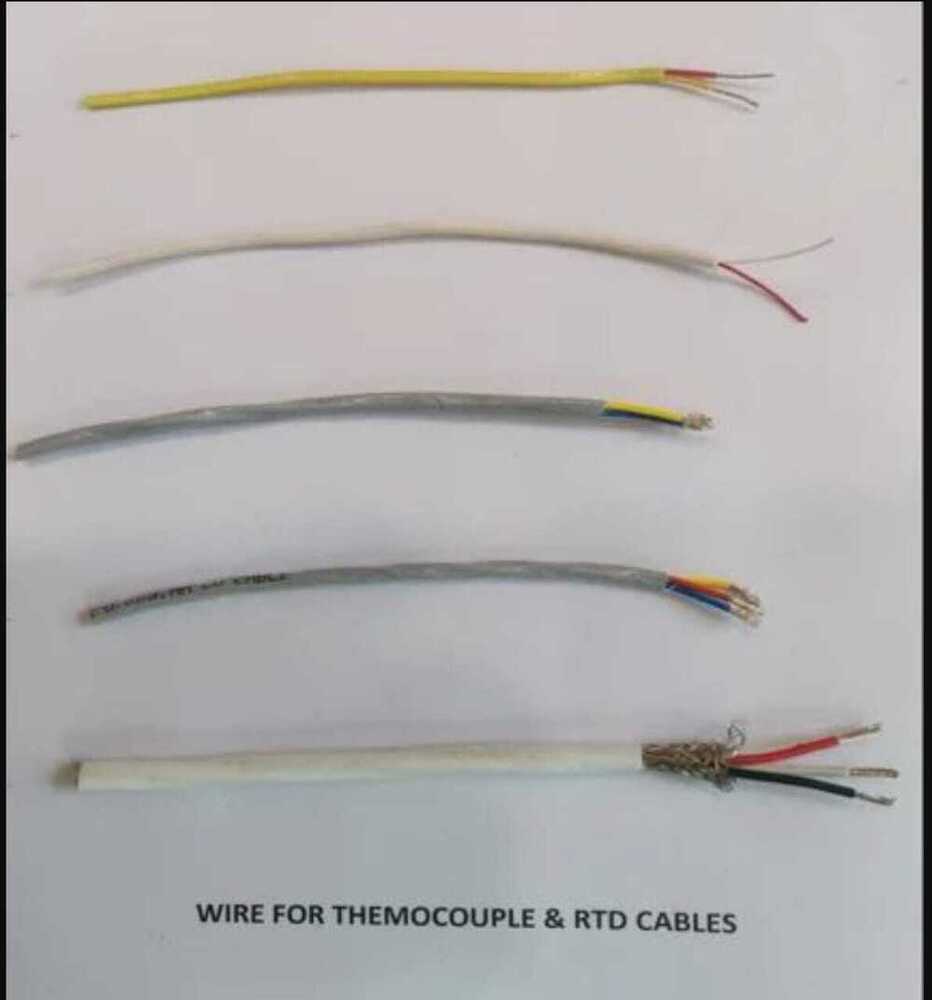
Thermocouple Cables are used to measure the temperature directly.
Thermocouple Extension or Compensating wires are only used to extend a thermocouple signal from a sensor to an instrument for readings.
Unmatched High-Temperature PerformanceDesigned to operate in extreme environments, these cables maintain structural and electrical integrity from -60C to +500C. The unique insulation blend of PTFE, mica, and fiber glass ensures consistent reliability in furnace wiring and other high-heat applications, making them indispensable in thermal management solutions.
Engineered for Safety and ComplianceWith superior flame retardance, high dielectric strength, and halogen-free composition, these cables enhance operational safety in industrial settings. RoHS compliance guarantees these products meet global environmental and safety standards, while glass fiber braiding further reinforces mechanical and fire resistance.
Tailored to Industrial NeedsAvailable in various sizes (0.5-25 sqmm), cores, and customizable lengths, these cables match diverse project requirements. Conductors come in either solid or stranded form, with bare or lugged ends, ensuring flexibility and ease during installation in complex wiring layouts.
FAQ's of PTFE-MICA-Fiber Glass Insulated:
Q: How should PTFE-MICA-Fiber Glass Insulated cables be installed in high temperature zones?
A: These cables require a minimum bending radius of 6 times their outer diameter to prevent insulation damage during installation. For optimal performance in high temperature zones, ensure proper support to avoid mechanical stress and use connector types suitable for elevated temperatures, such as bare ends or specially requested lugs.
Q: What industrial benefits do PTFE-MICA-Fiber Glass cables offer over standard insulation materials?
A: Compared to conventional cables, these specialized wires provide notable resistance to heat, abrasion, oil, and moisture. Their dielectric strength above 20 kV/mm and flame retardant, halogen-free construction enhance reliability and safety in demanding electrical environments, reducing downtime and maintenance.
Q: When is it advisable to use these cables in industrial applications?
A: PTFE-MICA-Fiber Glass Insulated cables are recommended for use whenever electrical insulation must withstand high temperatures (up to 500C), such as in furnace wiring, high-temperature instrumentation, or environments where exposure to oil, moisture, or mechanical wear is likely.
Q: Where are these cables commonly used?
A: Common application areas include industrial heating elements, furnaces, chemical plants, and electrical circuits in manufacturing facilities requiring robust insulation. They are also suitable for wiring exposed to harsh operating conditions or frequent voltage surges up to 3000V.
Q: What is the process for customizing the cable length and specifications?
A: Manufacturers offer cable lengths as per client requirements, typically supplied in standard 100m rolls or cut to order. Customers can also specify conductor size, number of cores, sheath color, and connector types (bare ends or lugs) to suit their unique applications.
Q: How does the unique insulation material enhance cable performance?
A: The layered combination of PTFE and mica tape with fiber glass braid delivers outstanding dielectric properties, thermal resistance, and physical durability. This construction allows the cables to maintain insulation and flexibility in high temperature and harsh environments.
Q: What are the key usage guidelines for maximizing cable lifespan and safety?
A: Ensure cables are installed according to minimum bending radius guidelines and are not exposed to mechanical overstress. Use compatible connectors and verify that operational parameters such as voltage and current remain within specified ratings for optimal safety and longevity.



 Send Inquiry
 Send Inquiry

