About Unsintered & Sintered PTFE Tapes & Sheets
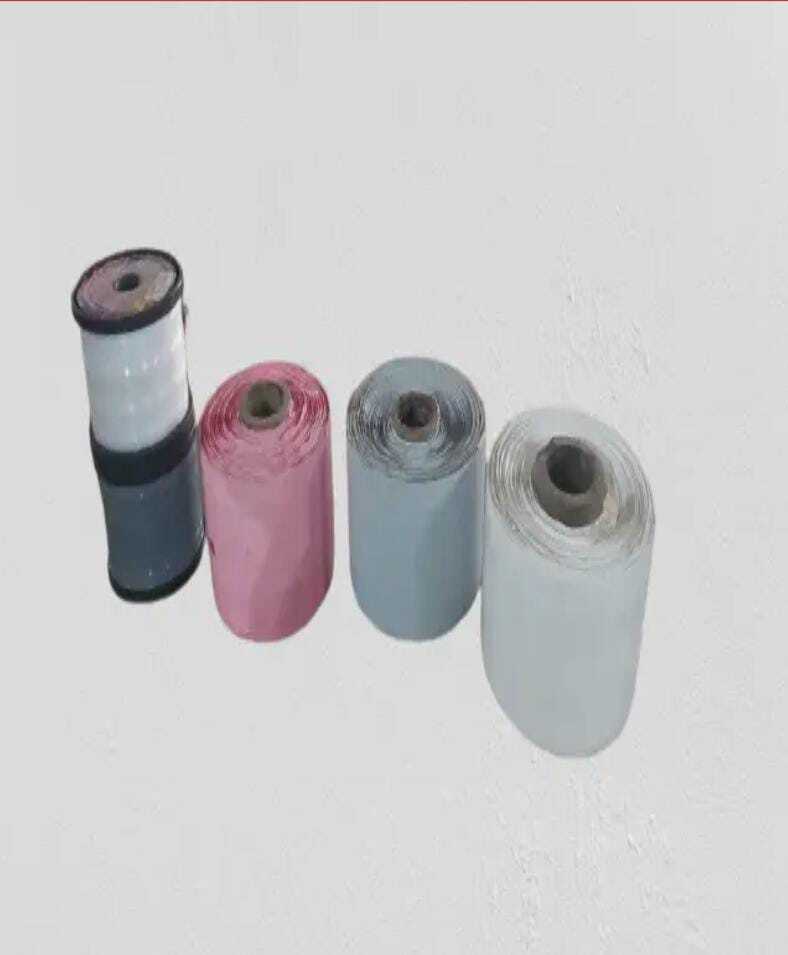
unsintered P.T.F.E tapes are used for manufacturing wire and cable by wrapping method. Thickness of unsintered ptfe tape is 0.075 mm or as per customer demand.PTFE tape roll width is 155 to 160 mm. As per customer demand we slit the P.T.F.E Tape in various width.
Sintered PTFE tapes for use for at high temprature slot-liner(upto 300C). The tape offers the offers the best possible overall electrical characteristics with complete freedom from ageing. The range of thickness is from 0.075 mm to 0.4 mm in comparesion to the unsintered PTFE tape (which is the best available sealent for theaded joints and fitting),it is about 5 to 10 times stronger mechanically.It's density is about 2.1 compared 1.45 for unsintered/non-cured tapes.
Versatile Material SolutionsPTFE tapes and sheets are available both in unsintered and sintered forms, offering tailored solutions based on your strength, flexibility, and insulation requirements. Their smooth, non-adhesive surface ensures easy handling, while etched options are ready for adhesive bonding. Custom sizes, excellent dielectric properties, and remarkable chemical resistance make them a reliable choice for various sectors.
High-Performance in Extreme EnvironmentsEngineered to endure temperatures ranging from -200C to +260C, PTFE tapes and sheets maintain their structural integrity and performance under severe conditions. Whether used for electrical insulation, lining corrosive environments, or sealing high-temperature equipment, they deliver robust protection and longevity, reducing operational downtime and maintenance needs.
FAQ's of Unsintered & Sintered PTFE Tapes & Sheets:
Q: How do unsintered and sintered PTFE tapes and sheets differ in terms of performance?
A: Unsintered PTFE has a lower density (~1.5 g/cm3), tensile strength (~10 MPa), and dielectric strength (~40 kV/mm) but is highly flexible, with elongation at break over 200%. Sintered PTFE offers higher density (~2.15 g/cm3), tensile strength (~20 MPa), and dielectric strength (~60 kV/mm), with about 250% elongation at break, making it suitable for applications requiring added mechanical strength and insulation.
Q: What are the typical applications for PTFE tapes and sheets?
A: PTFE tapes and sheets are commonly used for electrical insulation, gasketing, lining chemical equipment, sealing, and protecting against chemical corrosion. Their excellent chemical resistance and high dielectric strength make them ideal for use in electrical, chemical, and mechanical industries.
Q: When should I use unsintered PTFE compared to sintered PTFE?
A: Use unsintered PTFE when you need a flexible and conformable material, such as for wrapping or forming intricate shapes. Choose sintered PTFE for applications that demand higher mechanical strength, stability, and enhanced dielectric properties, such as critical electrical insulation or gasketing under pressure.
Q: Where can I source PTFE tapes and sheets with customized dimensions?
A: PTFE tapes and sheets are available from reputable manufacturers and suppliers in India. Customization in thickness (0.07-3.0 mm), width (10-600 mm), lengths, and etched surfaces for adhesive bonding are commonly offered to fit specific requirements.
Q: How is the bonding process handled for PTFE sheets if adhesive application is needed?
A: While standard PTFE has a smooth, non-adhesive surface, etched PTFE sheets are available for improved bonding with adhesives. The etching process modifies the surface, allowing adhesives to adhere effectively for applications that require strong, permanent attachment.
Q: What are the main benefits of using PTFE for insulation and sealing?
A: PTFE provides exceptional resistance to chemicals and solvents, is highly flame retardant (UL 94 V-0), and maintains its properties across a wide temperature range. Its non-stick surface, high dielectric strength, and low water absorption (<0.01%) ensure reliable long-term performance in harsh environments.
Q: How can these PTFE products withstand extreme temperatures and harsh chemicals?
A: PTFE's unique molecular structure imparts excellent thermal and chemical stability, allowing it to perform reliably from -200C to +260C, and resist most aggressive chemicals and solvents encountered in industrial operations.




 Send Inquiry
 Send Inquiry

